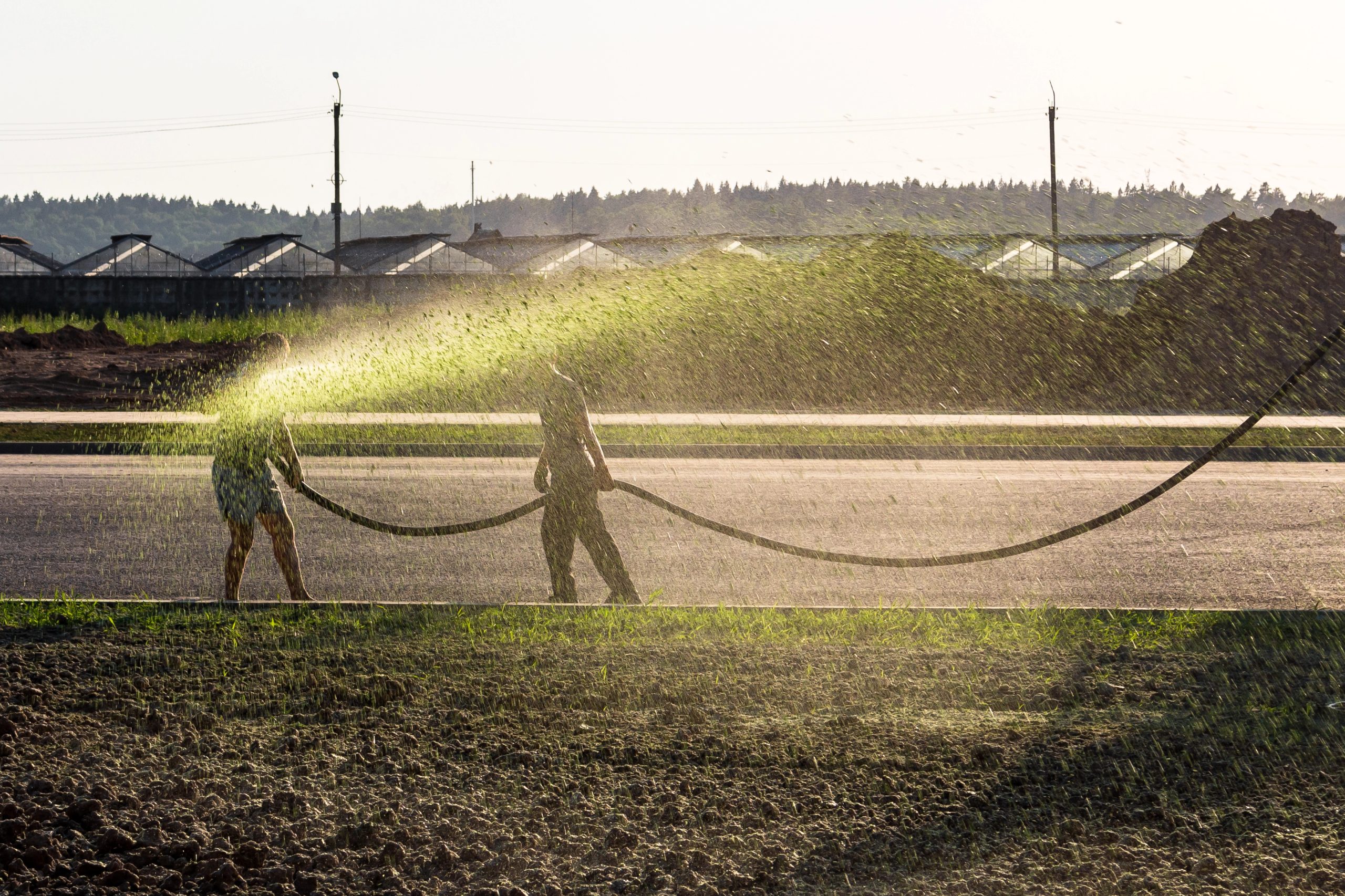

Summer in Central Texas can be unforgiving on commercial landscapes. Extended periods of extreme heat, intense sunlight, and inconsistent rainfall place significant stress on turf, shrubs, trees, and ornamental plantings.
For property managers, facility managers, and HOA boards, landscape health during the summer months is about more than appearance. Heat-related decline can lead to costly plant replacements, increased maintenance expenses, and a noticeable reduction in curb appeal.
The good news is that most heat-related landscape problems provide early warning signs. Recognizing these indicators and responding proactively can help protect your landscape investment throughout the hottest months of the year.
Sign #1: Plants Are Wilting Even After Irrigation
Wilting is often one of the first visible indicators of heat stress.
While many assume wilting automatically means plants need more water, the issue is often more complex. High temperatures increase moisture loss through transpiration, causing plants to struggle to maintain adequate hydration.
If irrigation systems are not delivering water efficiently, root zones may not receive enough moisture despite regular watering schedules.
Prevention Strategy
- Evaluate irrigation coverage and system performance
- Water deeply to encourage stronger root development
- Adjust irrigation schedules to match seasonal demand
- Monitor soil moisture levels rather than relying solely on appearance
Proper irrigation management helps plants withstand periods of extreme heat more effectively.
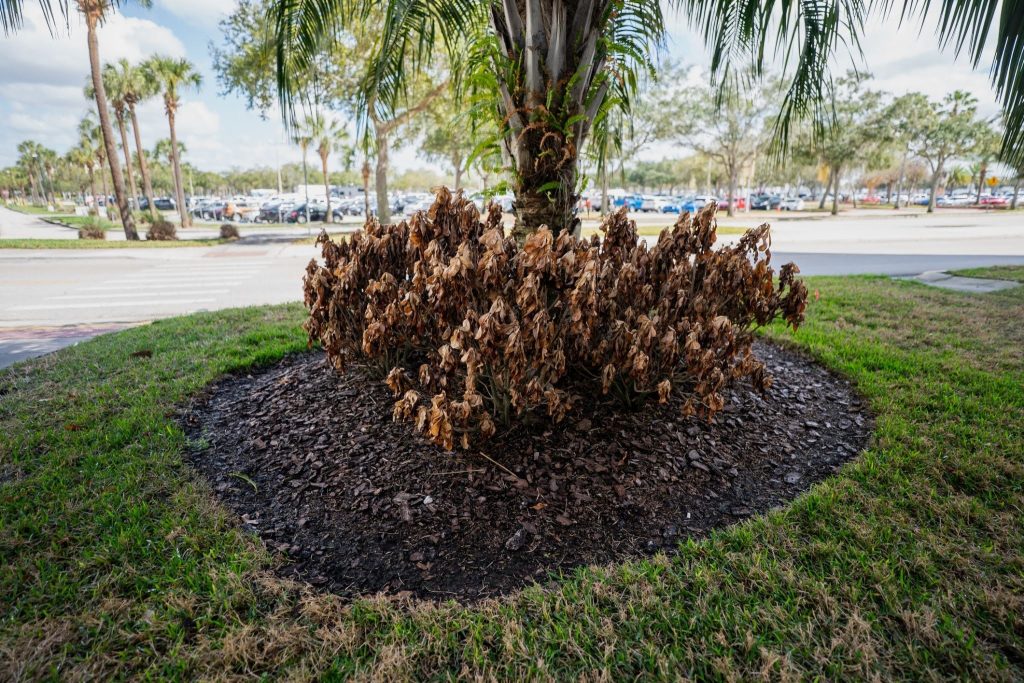
Sign #2: Leaves Are Turning Brown or Scorched
Leaf scorch commonly occurs when temperatures exceed what plant material can comfortably tolerate.
Brown leaf edges, discoloration, and premature leaf drop often indicate that plants are losing moisture faster than they can absorb it.
This condition is particularly common among plant species that are not well adapted to Central Texas climates.
Prevention Strategy
- Incorporate heat-tolerant plant selections
- Maintain adequate mulch coverage
- Ensure irrigation systems provide consistent moisture
- Monitor vulnerable plantings during prolonged heat waves
Choosing plants suited to local conditions significantly improves long-term landscape resilience.
Sign #3: Landscape Beds Dry Out Quickly
When planting beds repeatedly dry out despite irrigation, moisture retention may be the underlying issue.
Bare soil exposed to direct sunlight loses water rapidly during summer months. This increases irrigation demand and places additional stress on plant material.
Prevention Strategy
Proper mulch application provides one of the most effective defenses against heat-related moisture loss.
Benefits of mulch include:
- Reduced evaporation
- Improved soil temperature regulation
- Enhanced moisture retention
- Better weed suppression
Maintaining fresh mulch throughout the growing season helps create a more stable environment for plant roots.
Sign #4: Certain Areas Consistently Underperform
If some portions of the landscape appear healthy while others struggle, irrigation distribution may be uneven.
Misaligned sprinkler heads, clogged nozzles, pressure fluctuations, or damaged components can prevent water from reaching specific areas.
These issues often become more noticeable during periods of extreme heat.
Prevention Strategy
Routine irrigation inspections help identify:
- Coverage gaps
- Pressure issues
- Leaks
- Malfunctioning components
- Overspray and runoff
Correcting these issues improves efficiency while supporting more consistent landscape performance.
Sign #5: Plant Replacements Become More Frequent
Frequent plant replacement is often a symptom of larger landscape challenges.
When plant material repeatedly fails during summer, factors such as species selection, irrigation performance, soil conditions, or environmental stress may be contributing to the problem.
Prevention Strategy
A long-term landscape management strategy should include:
- Heat-tolerant plant selection
- Improved soil health
- Efficient irrigation practices
- Seasonal performance evaluations
Reducing replacement cycles helps lower maintenance costs and improves landscape consistency.
Sign #6: Water Usage Continues to Increase
Many properties respond to extreme heat by simply increasing irrigation runtimes.
While additional watering may seem like the logical solution, it often masks inefficiencies rather than solving them. Excessive water use can increase operating costs without delivering meaningful improvements in plant health.
Prevention Strategy
Focus on maximizing irrigation efficiency through:
- Irrigation audits
- Smart controller technology
- Zone optimization
- Preventive maintenance
- Water-efficient landscape design
These improvements help properties maintain healthy landscapes while controlling water consumption.
Building a More Heat-Resilient Landscape
Extreme heat is an unavoidable part of maintaining commercial landscapes in Central Texas. However, landscape decline is not.
Properties that prioritize proactive maintenance, efficient irrigation, appropriate plant selection, and drought-conscious landscape practices are better positioned to maintain healthy, attractive environments throughout the summer season.
By addressing potential issues before they become visible problems, property managers and HOA boards can protect both landscape quality and long-term property value.
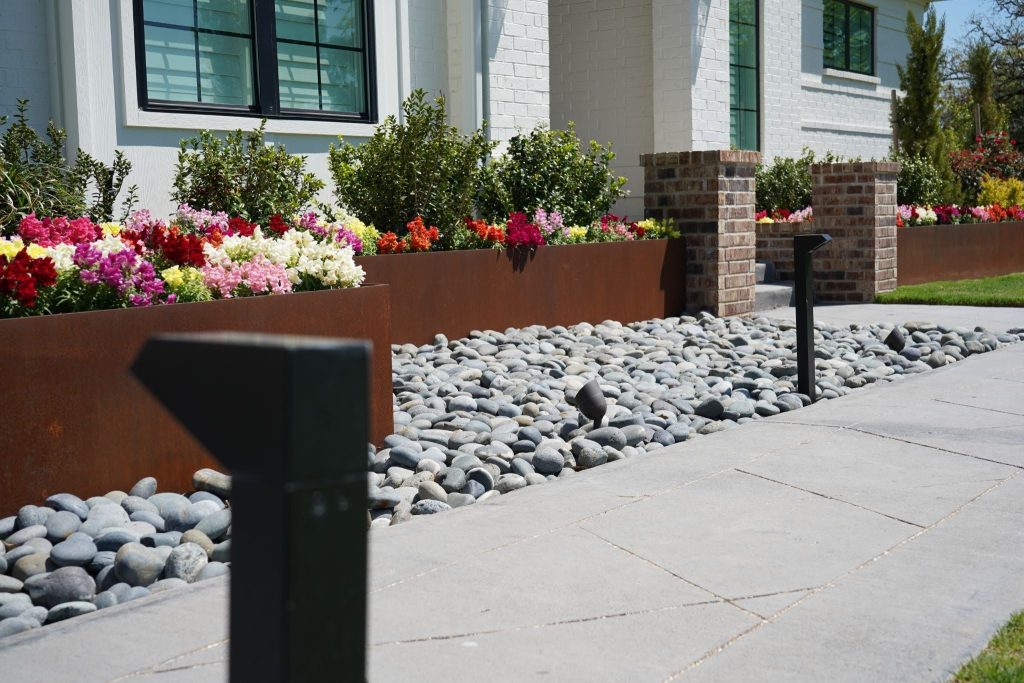
Why Central Texas Properties Trust Texas Landscape Creations
At Texas Landscape Creations, we understand the challenges that extreme summer temperatures create for commercial landscapes throughout Central Texas. With more than 20 years of experience serving commercial properties, HOA communities, and managed landscapes, we help clients protect plant health and maintain consistent landscape performance during the toughest months of the year.
Our team specializes in:
- Heat-tolerant landscape planning
- Plant health monitoring and stress prevention
- Efficient irrigation management
- Drought-conscious landscape strategies
- Proactive commercial landscape maintenance
By combining practical expertise with proactive planning, we help clients reduce heat-related damage and preserve the appearance and value of their properties.
Let’s Protect Your Landscape From Extreme Heat
Don’t let summer temperatures take a toll on your landscape investment. With the right strategy, your plants can remain healthy, resilient, and visually strong throughout the season.
📞 Call us today at (979) 776-8873 to discuss summer plant care solutions.