
As fall approaches in Central Texas, HOA boards and property managers have an important opportunity to evaluate how well landscape standards are being maintained across the community. After months of summer heat and stress, landscapes often need recovery, seasonal adjustments, and a clear plan for the cooler months ahead.
Clear standards help create consistency, reduce confusion, and give both the HOA board and landscape provider a stronger framework for decision-making. Fall is an ideal time to review expectations, address service gaps, and make sure maintenance plans align with the appearance and performance the community expects.
Why Landscape Standards Matter for HOA Communities
Landscape standards define what a well-maintained community should look like and how that level of care will be achieved.
Without clear expectations, maintenance quality can vary from one area to another. Mowing may be consistent while pruning is not. Irrigation issues may linger because responsibility is unclear. Seasonal cleanup may be handled well in one area and overlooked in another.
For HOA boards, defined standards provide a more objective way to evaluate performance. For residents, consistency helps reinforce confidence that common areas are being maintained with care.
Align Landscape Contracts With Actual Expectations
One of the most common challenges in HOA landscape management is a gap between what the board expects and what the contract actually requires.
An effective HOA landscape contract should clearly define services, frequency, responsibilities, and response expectations. This may include mowing and edging, pruning, irrigation inspections, weed control, seasonal cleanup, debris removal, and seasonal color maintenance.
When these details are vague, expectations become subjective. The board may assume a service is included while the contractor understands the agreement differently.
Fall is a practical time to review contracts and make sure the scope of work reflects the community’s current needs before the next growing season.
Define What Consistent Maintenance Looks Like
Consistency is one of the clearest signs of professional HOA landscape maintenance.
Residents should not see one entrance maintained to a high standard while another appears overlooked. Turf heights, bed edges, pruning, debris removal, and overall cleanliness should remain consistent throughout shared spaces.
That does not mean every area requires the same level of service. Entrances, monument signs, clubhouses, parks, and other high-visibility spaces may need more frequent attention.
The important point is that those differences should be intentional. Clearly defined expectations give the landscape provider a target to meet and give the HOA board a better way to measure results.
Adjust Standards for Seasonal Conditions
Fall maintenance should not simply continue summer routines without adjustment.
As temperatures change, turf growth slows, irrigation needs shift, leaves and debris increase, and seasonal plant material requires different care. Maintenance schedules should reflect those conditions.
HOA seasonal planning may include adjusted mowing frequency, revised irrigation schedules, cleanup priorities, pruning needs, and seasonal color programs.
Fall is also a good time to identify plant material that struggled during the summer and determine whether replacement, relocation, or a different maintenance approach would improve long-term performance.
Seasonal standards help ensure the property is being maintained according to current conditions rather than following the same plan year-round.
Give High-Visibility Areas More Attention
Some areas of a community have a greater influence on overall perception than others.
Entrances, monument signs, main corridors, clubhouses, pools, parks, and shared amenities are viewed frequently by residents, visitors, and prospective buyers. These areas should typically receive a higher level of attention.
Standards may include more frequent cleanup, tighter pruning, stronger bed definition, seasonal color, and faster response to visible issues.
This approach allows maintenance resources to be used strategically while ensuring the areas that shape first impressions consistently reflect community standards.
Make Irrigation Part of the Standard
A community can have strong mowing and pruning practices and still experience declining turf or plant material if irrigation performance is inconsistent.
HOA boards should understand how often irrigation systems are inspected, who is responsible for identifying problems, how repairs are communicated, and how quickly significant issues are addressed.
Standards should account for routine inspections, broken head repair, coverage adjustments, controller updates, leak identification, overspray correction, and seasonal scheduling changes.
Including irrigation in the broader maintenance standard supports long-term landscape health while reducing avoidable water waste and plant loss.
Improve Communication Between the HOA and Landscape Provider
Even the strongest contract cannot replace regular communication.
Site conditions change. Plants mature. Irrigation issues develop. Storms create debris. Resident concerns arise. Effective HOA landscape management requires an ongoing process for identifying and addressing these issues.
Regular walkthroughs can help the board and landscape provider review problem areas together. Clear reporting can document irrigation concerns, plant health issues, completed work, and recommended improvements.
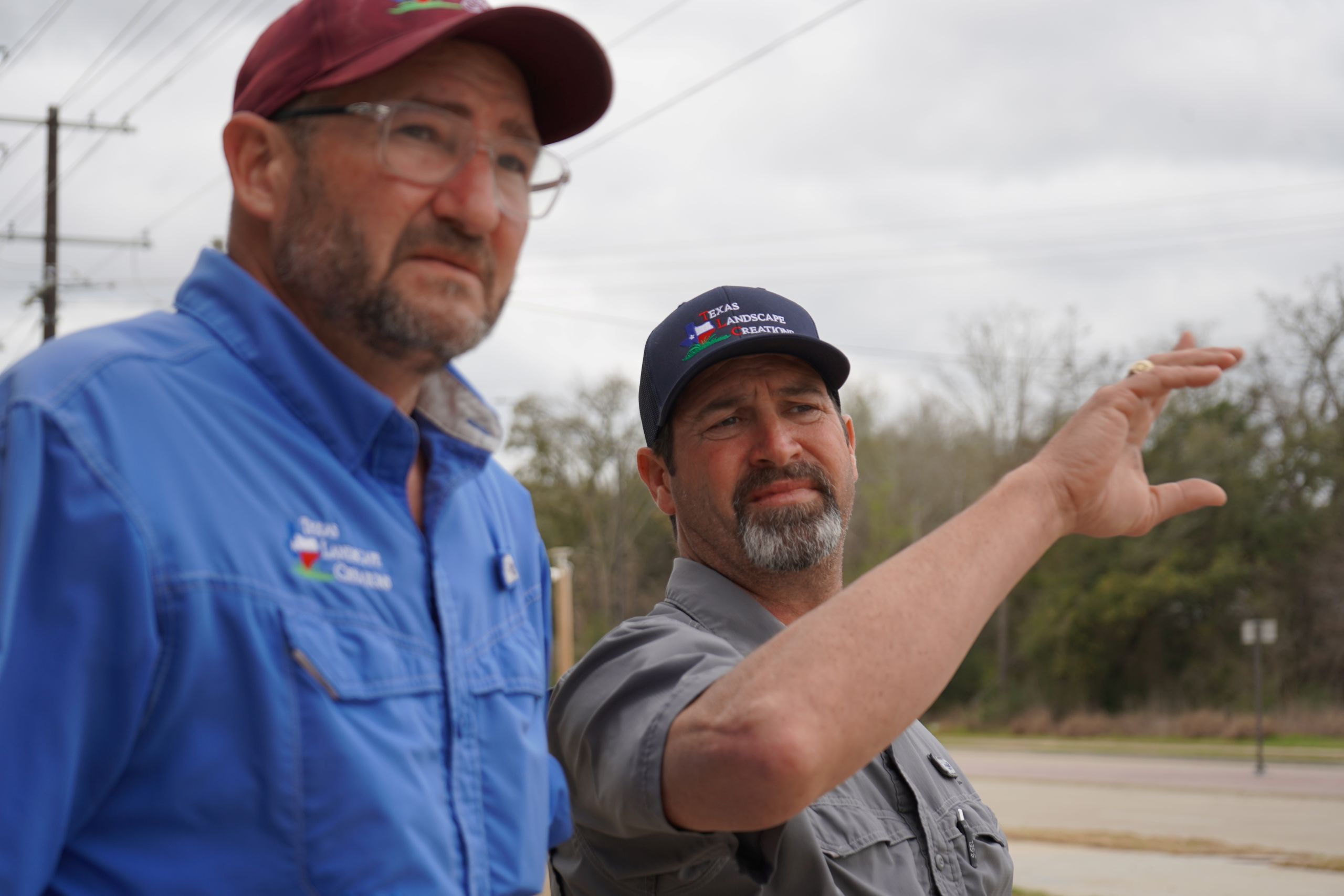
At Texas Landscape Creations, communication is an important part of maintaining alignment with HOA clients. A successful maintenance program works best when both sides understand priorities, expectations, and changing site conditions.
Use Standards to Support Long-Term Planning
Landscape standards should guide more than routine maintenance. They can also help HOA boards make better long-term decisions.
When expectations are clearly defined, it becomes easier to identify areas that no longer meet those standards. That may include aging plant material, outdated entrances, inefficient irrigation, poorly performing turf, drainage concerns, or common areas in need of renovation.
Instead of treating these issues as isolated problems, boards can incorporate them into a broader community landscape plan.
This supports more deliberate budgeting and helps prioritize improvements based on condition, visibility, safety, and long-term value.
Review Vendor Performance More Objectively
Clear standards also make vendor evaluation more effective.
Without defined expectations, performance reviews can become based on individual opinions or isolated complaints. A documented maintenance standard creates a more consistent framework.
Boards can evaluate whether scheduled services are being completed, whether recurring issues are being resolved, whether communication is timely, and whether the property is meeting agreed-upon appearance standards.
This creates a more productive relationship between the HOA and landscape provider because performance discussions are based on measurable expectations rather than general impressions.
Why Central Texas HOAs Work With Texas Landscape Creations
With more than 20 years of experience serving commercial properties and HOA communities, Texas Landscape Creations understands that successful HOA landscaping requires more than routine service.
We focus on:
- Aligning landscape contracts with clearly defined expectations
- Delivering consistent maintenance across shared community spaces
- Supporting irrigation performance and long-term landscape health
- Providing proactive communication and site recommendations
- Helping HOA boards plan for seasonal and long-term improvements
Our team works with HOA boards and property managers throughout Central Texas to develop landscape programs that support consistency, appearance, safety, and long-term property value.
Strengthen Your HOA Landscape Standards This Fall
Fall is an ideal time to evaluate whether your current landscape maintenance program is delivering the consistency your community expects.
Clear standards, well-defined contracts, seasonal adjustments, and regular communication can help HOA boards reduce uncertainty and create a stronger approach to landscape management.
Texas Landscape Creations can help your community evaluate current conditions, identify maintenance priorities, and develop a landscape program built around clear expectations and dependable execution.
Call us today at (979) 776-8873 to discuss HOA landscape maintenance and planning.
Or contact us online to get started.