
Maintaining healthy turf in Central Texas is not as simple as routine mowing and occasional watering. Between extended summer heat, clay-heavy soils, unpredictable rainfall, and periodic drought restrictions, commercial and HOA properties face ongoing turf challenges that require a strategic, science-backed approach.
For property managers and HOA boards throughout Central Texas, turf health directly impacts curb appeal, safety, and overall property value. A well-maintained lawn communicates professionalism and care. A struggling lawn, on the other hand, quickly undermines the appearance of even the most well-designed property.
Understanding what healthy turf truly requires in this climate is the first step toward building a sustainable, cost-effective maintenance plan.
Turf in Texas: A Climate of Extremes
Central Texas does not offer mild growing conditions. Summers bring extended periods of high temperatures, intense sun exposure, and drying winds. Winters, while relatively short, can include sudden freezes that stress warm-season grasses. Add in compacted commercial soils and inconsistent rainfall, and turf is constantly adapting.
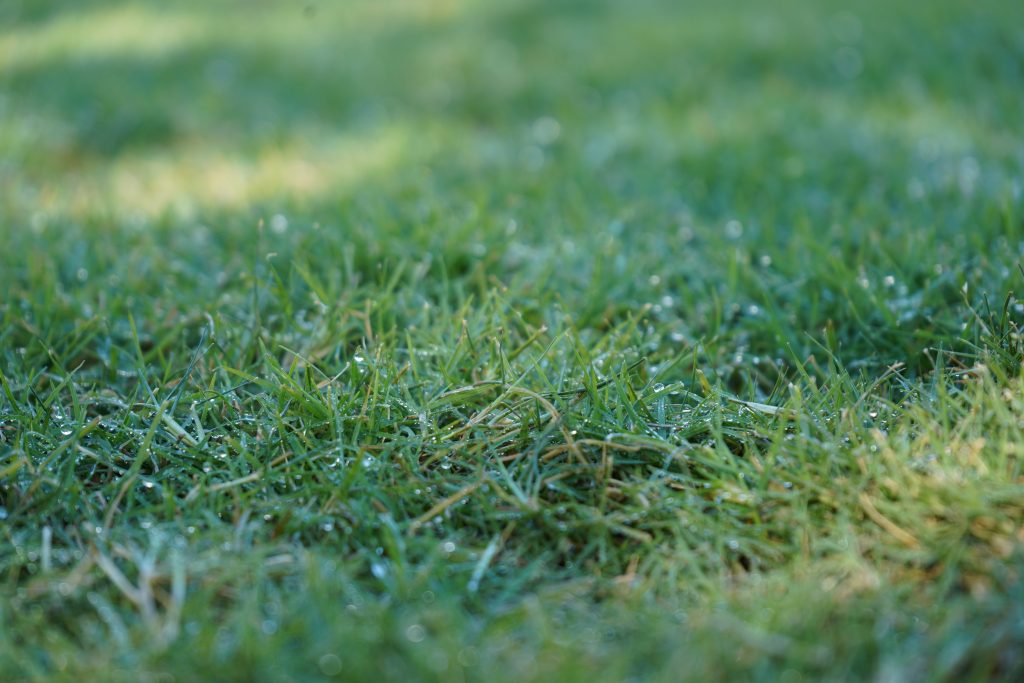
Most commercial properties in this region rely on warm-season grasses such as Bermuda or Zoysia. These grasses thrive in heat but require careful seasonal timing for fertilization, aeration, and irrigation adjustments. Without proper management, they can thin out, become susceptible to disease, or struggle to recover from stress.
Healthy turf in Texas depends on understanding these seasonal rhythms — not just reacting to visible problems.
Soil Health Is the Foundation of Strong Turf
What happens beneath the surface determines how well turf performs above it. Many commercial and HOA properties in Central Texas sit on dense clay soils, which can become compacted under foot traffic and mowing equipment. Compacted soil restricts root growth, limits oxygen exchange, and prevents proper water absorption.
Professional turf services address soil health through scheduled aeration, which loosens compacted ground and encourages deeper root systems. Deeper roots create stronger, more drought-resistant grass that can better withstand heat and traffic.
In addition, balanced fertilization programs tailored to the soil’s nutrient profile ensure turf receives the right support at the right time of year. Over-fertilizing can be just as damaging as under-fertilizing, particularly in high-heat months.
Mowing Practices Matter More Than Most Realize
Commercial lawn maintenance isn’t simply about frequency — it’s about precision. Cutting grass too short in Texas heat places immediate stress on the plant and reduces its ability to photosynthesize effectively. Over time, improper mowing height leads to thinning turf, weed encroachment, and increased water demand.
Healthy mowing practices involve maintaining appropriate blade height for the specific grass type and adjusting based on seasonal growth patterns. During peak summer heat, slightly higher mowing heights help shade the soil and protect roots from extreme temperatures.
Sharp blades and consistent mowing schedules also prevent tearing and uneven cuts, which can invite disease and create a patchy appearance.
Irrigation Must Be Strategic, Not Excessive
In Central Texas, water management is one of the most critical elements of Texas turf care. Too little water leads to stress and dormancy; too much creates shallow root systems and encourages fungal issues.
The key is controlled, efficient irrigation. Turf should receive deep, infrequent watering that encourages roots to grow downward rather than remain near the surface. Smart irrigation controllers, seasonal adjustments, and regular inspections ensure the system responds to changing weather patterns.
Commercial properties especially benefit from irrigation audits that correct overspray, leaks, and uneven coverage. This not only supports turf health but also reduces utility expenses and ensures compliance with local watering regulations.
Seasonal Planning Keeps Turf Ahead of Stress
Healthy turf requires year-round attention — even during dormant periods. Spring fertilization prepares grass for active growth. Summer monitoring protects against drought stress. Fall aeration and nutrient applications strengthen roots before winter. Each season builds on the previous one.
For HOA lawn care in Central Texas, aligning these services with the community calendar is critical. Turf issues that go unaddressed in spring often become visible complaints by mid-summer. A proactive seasonal plan prevents surprises and keeps landscapes consistent across all common areas.
Professional oversight ensures timing is aligned with regional climate conditions rather than generic national schedules that don’t account for Texas heat cycles.
The Difference Professional Turf Services Make
Managing turf across a commercial campus or HOA community requires coordination, experience, and consistency. While occasional touch-ups may temporarily improve appearance, long-term health demands a structured program designed specifically for Central Texas conditions.
At Texas Landscape Creations, we take a comprehensive approach to commercial lawn maintenance. Our programs integrate soil health, mowing precision, irrigation management, and seasonal adjustments into one cohesive plan. This ensures turf remains resilient through heat waves, heavy rains, and high foot traffic.
We understand the importance of reliability and long-term planning. With more than 20 years of experience serving Round Rock and surrounding communities, we deliver turf solutions that protect both appearance and property value.
Let’s Strengthen Your Turf for the Seasons Ahead
Healthy turf doesn’t happen by accident — especially in Central Texas. With the right maintenance strategy, your property can maintain a professional, vibrant appearance even under challenging conditions.
📞 Call us today at (979) 776-8873 to discuss a customized turf care plan.
🔗 Or contact us online to get started.