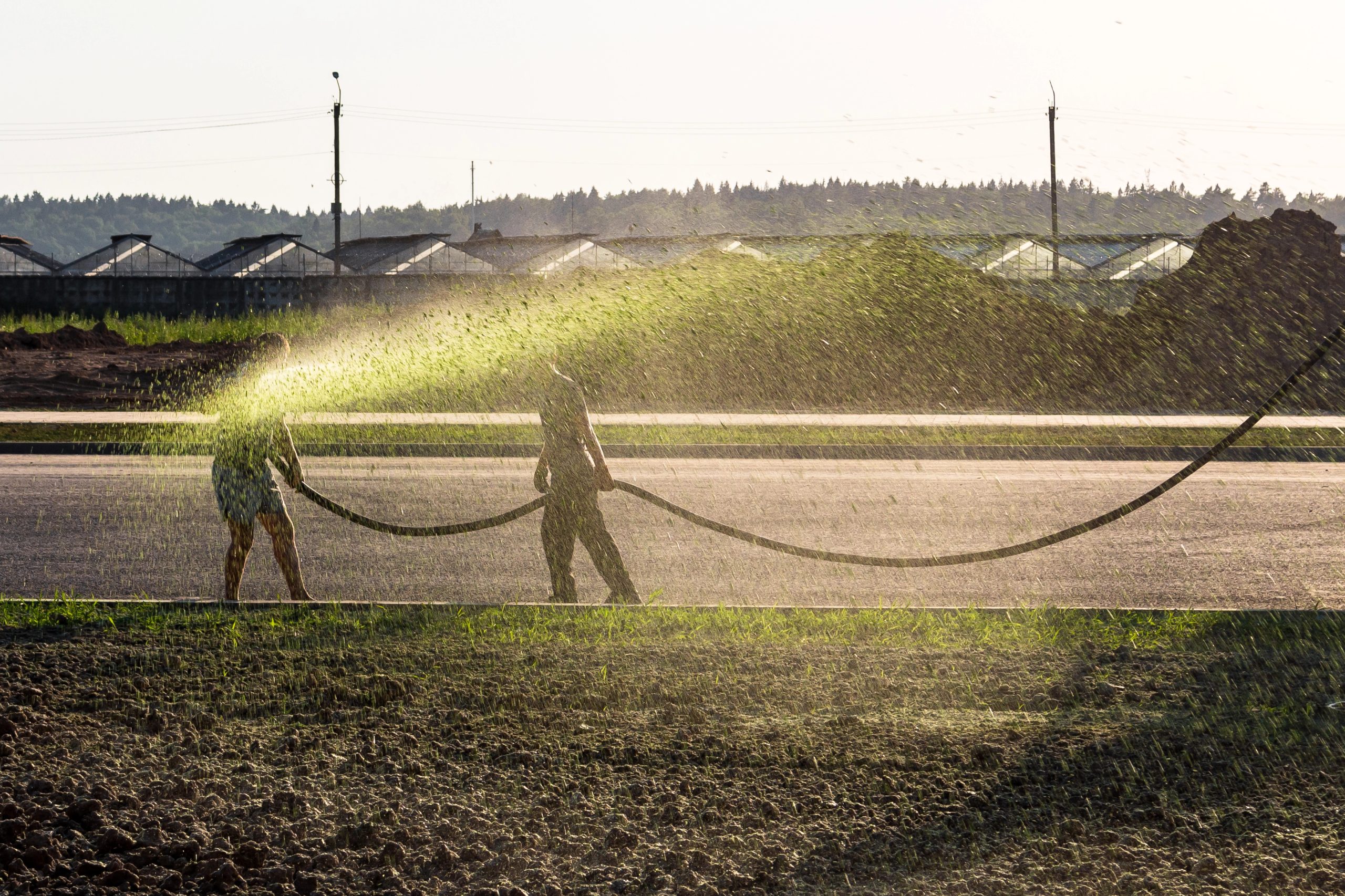

Commercial landscape renovations can transform underperforming outdoor spaces into more functional, attractive, and valuable parts of a property. For property managers and HOA boards across Central Texas, these projects are about more than appearance. They can improve usability, reduce recurring maintenance issues, support property standards, and strengthen long-term value.
The key is planning. Without a clear strategy, renovations can become inefficient, disruptive, or difficult to maintain. A well-planned project considers current site conditions, long-term goals, installation timing, irrigation, maintenance requirements, and budget priorities before work begins.
Start With a Clear Property Evaluation
Every successful renovation should begin with a detailed review of the existing landscape.
Property teams should identify areas that are outdated, underperforming, or no longer aligned with how the site is used. Common concerns may include declining plant material, poor irrigation coverage, drainage problems, aging beds, excessive maintenance demands, or areas that consistently struggle during summer.
In HOA communities, the evaluation may also include entrances, common areas, amenity spaces, or streetscapes that no longer reflect the desired appearance of the neighborhood.
This process helps separate cosmetic concerns from larger performance issues. Instead of making isolated changes, property managers can focus on improvements that solve recurring problems and provide stronger long-term results.
Define Clear Goals Before Redesign Begins
A commercial redesign should be guided by specific objectives.
Appearance is important, but it should not be the only goal. Renovations may also need to improve durability, simplify maintenance, address safety concerns, reduce water demand, improve circulation, or strengthen high-visibility areas.
For commercial properties, landscape improvements can support tenant experience, customer perception, and overall property presentation. For HOA communities, they can reinforce appearance standards and improve shared spaces.
Defining these priorities early helps guide design decisions and prevents unnecessary additions that do not support the larger purpose of the project.
A clear set of goals also makes it easier to evaluate whether the finished renovation delivered the intended result.
Prioritize High-Impact Areas
Large properties rarely need every area renovated at once.
One of the most effective approaches is to identify the spaces where improvements will have the greatest impact. These often include entrances, monument signs, building approaches, leasing offices, common areas, clubhouses, and major pedestrian routes.
Other areas may deserve priority because they are creating recurring maintenance or irrigation problems.
By ranking improvements according to visibility, condition, safety, and long-term value, property managers can build a more focused landscape renovation plan.
This approach is especially useful for large-scale enhancements where work may need to be completed in phases.
Use Phasing to Manage Larger Renovations
Phasing can make major landscape projects more manageable.
Instead of completing an entire property at once, improvements can be divided into logical stages based on priority, budget, and operational needs.
For example, a commercial property may begin with entrances and customer-facing areas before moving into secondary landscape zones. An HOA may first address monument signs and amenity areas before renovating additional common spaces.
Phased planning can also reduce disruption for tenants and residents.
A well-organized plan should clearly identify which areas will be addressed first, how each phase connects to the overall design, and what should be completed before the next stage begins.
The goal is to avoid a series of disconnected improvements and instead create a consistent long-term plan.
Select Plant Material for Central Texas Conditions
Plant selection is one of the most important decisions in any landscape renovation.
Central Texas landscapes must handle intense heat, variable rainfall, periods of drought, and changing seasonal conditions. Plant material that is poorly suited to the site can create repeated maintenance concerns and increase replacement costs.
Selection should consider:
- Sun and shade exposure
- Mature plant size
- Irrigation requirements
- Soil and drainage conditions
- Traffic patterns
- Maintenance expectations
- Surrounding architecture
A successful renovation balances visual impact with long-term performance.
The objective should not be to create a landscape that looks impressive only on installation day. It should continue to perform well as the plants mature and environmental conditions change.
Evaluate Irrigation Before Installation
Irrigation should be addressed as part of the renovation, not after it.
Existing systems may not provide appropriate coverage for new planting beds, redesigned turf areas, or updated layouts. Installing new material without evaluating irrigation first can create avoidable problems from the beginning.
Before installation, the irrigation system should be reviewed for coverage, controller settings, damaged components, zone configuration, and efficiency.
Renovation may provide an opportunity to adjust spray patterns, update zones, repair leaks, or convert appropriate areas to drip irrigation.
Coordinating irrigation with landscape design helps support plant establishment while protecting the investment in the renovation.
Design With Ongoing Maintenance in Mind
One of the most important parts of landscape renovation planning is understanding how the finished space will be maintained.
A design that requires excessive pruning, frequent plant replacement, complicated irrigation adjustments, or constant corrective work may create unnecessary long-term costs.
Plant spacing, bed layout, material selection, and access for maintenance crews should all be considered during the design process.
For HOA property improvements, this is particularly important because consistency across shared spaces is often a major priority.
The best renovations make maintenance more manageable while still improving appearance.
That may mean simplifying overcrowded beds, replacing high-maintenance plant material, reducing turf in consistently underperforming areas, or redesigning spaces so they better match site conditions.
Plan Installation Around Seasonal Conditions
Timing can affect both installation efficiency and plant establishment.
In Central Texas, fall can be a strong season for many landscape renovation projects. Cooler temperatures can reduce stress on newly installed plant material while soil remains warm enough to support root development.
Planning outdoor upgrades in advance also helps coordinate crews, materials, irrigation work, and property access.
Larger projects may require multiple steps, including removal of existing material, grading, irrigation modifications, soil preparation, planting, and final detailing.
A clear schedule helps reduce delays and keeps each stage of work coordinated.
Maintain Clear Communication Throughout the Project
Strong communication is essential during any commercial landscape renovation.
Property managers, HOA boards, and landscape professionals should have a shared understanding of scope, schedule, priorities, and expected outcomes.
Regular walkthroughs and progress updates can help identify questions early and keep the project aligned with the original plan.
Communication is especially important when site conditions change during construction. Irrigation issues, unexpected drainage concerns, or existing infrastructure may require adjustments.
At Texas Landscape Creations, we approach renovation projects with an emphasis on clear communication and practical recommendations throughout the process.
Plan Renovations for Long-Term Value
The strongest landscape renovations solve problems rather than simply covering them.
Texas Landscape Creations brings more than 20 years of experience to commercial and HOA landscape projects throughout Central Texas. Our team evaluates existing site conditions, identifies opportunities for improvement, and develops renovation plans with long-term performance in mind.
That may include updating planting areas, improving irrigation, addressing problem spaces, enhancing entrances, or coordinating larger phased improvements.
The goal is to create outdoor spaces that look professional, function effectively, and remain practical to maintain over time.
Start With the Right Landscape Plan
A successful commercial landscape renovation begins long before installation starts.
Clear goals, thoughtful design, appropriate plant selection, irrigation planning, seasonal timing, and ongoing communication all contribute to better results.
Texas Landscape Creations can help property managers and HOA boards evaluate existing conditions, establish priorities, and develop a renovation plan that supports appearance, functionality, and long-term property value.
Call us today at (979) 776-8873 to discuss your commercial landscape renovation.
Or contact us online to get started.