
When evaluating a commercial landscape, most people focus on what they can see—healthy turf, vibrant plantings, and attractive common areas. While these visible elements are important, the true driver of landscape performance often goes unnoticed.
The condition of the soil beneath the surface has a direct impact on plant health, irrigation efficiency, turf quality, and long-term maintenance costs. When soil conditions decline, landscapes often struggle regardless of how much effort is invested above ground.
For commercial properties and HOA communities throughout Central Texas, understanding and improving soil health is one of the most effective ways to build a stronger, more resilient landscape.
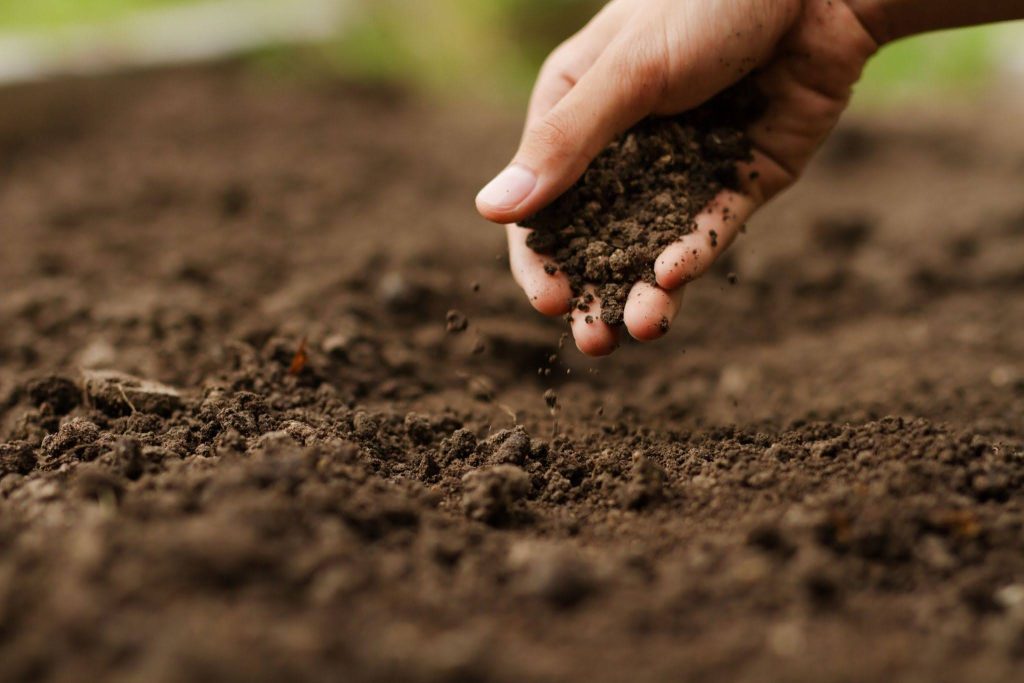
Many Landscape Problems Start Underground
When turf begins thinning, plants appear stressed, or irrigation seems less effective, the immediate assumption is often that more water, fertilizer, or maintenance is needed.
In reality, many of these symptoms can be traced back to poor soil conditions.
Over time, commercial landscapes experience:
- Soil compaction from foot traffic and equipment
- Nutrient depletion through growth cycles
- Reduced water infiltration
- Poor oxygen movement within the root zone
- Limited root development
These conditions create challenges that affect nearly every aspect of landscape performance.
Addressing the root cause rather than the symptoms often produces more effective and long-lasting results.
Why Soil Testing Matters
The most successful soil improvement strategies begin with accurate information.
Professional soil testing provides insight into the condition of the landscape by evaluating factors such as:
- Nutrient levels
- Soil pH
- Organic matter content
- Soil composition
- Overall soil balance
This information allows landscape professionals to make informed decisions rather than relying on assumptions.
For commercial properties and HOA communities, soil testing helps ensure resources are invested where they will have the greatest impact while supporting more predictable landscape performance.
Strong Roots Create Stronger Landscapes
Healthy landscapes begin with healthy root systems.
When soil conditions support proper root growth, turf and plants gain better access to the water, oxygen, and nutrients they need to thrive. This becomes particularly important during periods of environmental stress, including drought and extreme summer temperatures.
Benefits of strong root development include:
- Improved drought tolerance
- Better nutrient absorption
- Increased plant stability
- Stronger turf density
- More consistent growth
By focusing on root health, properties create a foundation for long-term landscape success.
Improving Soil Structure Supports Better Growth
Compacted soil is one of the most common challenges facing commercial landscapes.
When soil becomes compressed, water and air struggle to move through the profile, limiting plant growth and reducing overall landscape performance.
Improving soil structure often involves practices such as:
- Core aeration
- Organic soil amendments
- Targeted nutrient applications
- Irrigation optimization
- Long-term soil management strategies
These improvements create a healthier environment where roots can expand and plants can perform more consistently.
Water Efficiency Starts Below the Surface
Many irrigation challenges are actually soil challenges.
Healthy soil absorbs and retains water more effectively, allowing moisture to reach plant roots rather than running off or evaporating from the surface.
As soil conditions improve, properties often experience:
- Better water penetration
- Reduced runoff
- More consistent moisture levels
- Improved irrigation efficiency
- Lower overall water demand
For commercial properties and HOA communities, these improvements support both landscape performance and long-term operational efficiency.
Soil Health Supports Smarter Maintenance
One of the most overlooked benefits of soil health is its impact on maintenance costs.
Landscapes with strong soil foundations often require fewer corrective measures because plants are better equipped to withstand environmental stress and recover from seasonal challenges.
Over time, healthy soil can help reduce:
- Plant replacement costs
- Water consumption
- Fertilizer waste
- Corrective maintenance needs
- Landscape performance issues
This creates a more stable and predictable maintenance program while supporting a consistently attractive property.
Building Soil Health Is an Ongoing Process
Improving soil health is not a one-time project.
The most successful landscapes treat soil management as an ongoing component of their maintenance strategy. Regular evaluations, soil testing, aeration, and nutrient management help ensure that landscapes continue performing at a high level year after year.
By investing in soil health consistently, property managers and HOA boards can protect their landscape investment while creating stronger, more resilient outdoor environments.
Why Central Texas Properties Trust Texas Landscape Creations
At Texas Landscape Creations, we understand that long-term landscape success begins below the surface. With more than 20 years of experience serving commercial properties and HOA communities throughout Central Texas, we help clients improve soil conditions that support healthier, more sustainable landscapes.
Our team specializes in:
- Professional soil evaluations
- Soil testing and analysis
- Commercial turf improvement programs
- Aeration and soil enhancement services
- Long-term landscape maintenance strategies
We take a proactive approach to landscape management, helping properties build stronger foundations that support consistent performance year-round.
Let’s Build a Stronger Foundation for Your Landscape
If your landscape is experiencing inconsistent growth, poor water retention, or ongoing maintenance challenges, the solution may be below the surface.
📞 Call us today at (979) 776-8873 to schedule a soil evaluation.
🔗 Or contact us online to learn how Texas Landscape Creations can help improve soil health and strengthen your landscape from the ground up.