
When property managers think about landscape improvements, attention often turns to spring planting, summer irrigation, or fall enhancements. However, one of the most important periods for long-term landscape performance occurs during late summer.
After months of extreme temperatures, heavy landscape use, and environmental stress, turf and plant material are often operating at a deficit. While many properties wait until fall to address visible issues, proactive landscape management begins before temperatures fully cool.
Late summer provides a critical opportunity to restore nutrients, strengthen root systems, and prepare landscapes for a healthier transition into the fall season.
Summer Takes a Toll on Commercial Landscapes
Even well-maintained properties experience stress during a Central Texas summer.
Extended periods of heat, inconsistent rainfall, increased irrigation demands, and daily traffic all contribute to declining landscape performance. By late summer, turf may appear thinner, plant growth may slow, and soil conditions may become less supportive of healthy development.
These challenges are not always immediately visible. In many cases, the effects of summer stress begin below the surface, impacting root systems and overall plant health before symptoms appear above ground.
Addressing these issues proactively helps prevent longer recovery periods later in the year.
Why Timing Matters
Fertilization is most effective when applied strategically.
Late summer represents a transition period when plants begin preparing for cooler temperatures and future growth cycles. Providing nutrients during this time helps landscapes recover from summer stress while creating a stronger foundation for fall performance.
Waiting too long can reduce effectiveness, while skipping late-season nutrient applications altogether may lead to slower recovery and weaker overall landscape health.
For commercial properties and HOA communities, proper timing supports more consistent appearance and long-term landscape stability.
Support Turf Recovery Before Fall Arrives
Turf is often one of the first areas to show the effects of summer stress.
High temperatures, foot traffic, and fluctuating moisture levels can leave lawns thin, uneven, and less resilient. Without proper nutrient support, recovery may be slow and inconsistent.
Late summer fertilization helps:
- Encourage stronger root development
- Improve nutrient uptake
- Support healthier color and density
- Enhance drought resilience
- Prepare turf for seasonal transitions
These improvements help create a healthier foundation that supports stronger performance throughout the fall season.
Healthy Soil Creates Healthier Landscapes
Successful fertilization programs do more than feed turf and plants.
They also contribute to overall soil health by replenishing nutrients that have been depleted through growth cycles, irrigation, and environmental exposure.
When paired with services such as aeration and irrigation optimization, fertilization can help:
- Improve nutrient availability
- Enhance root development
- Support better water absorption
- Increase overall landscape resilience
- Promote healthier growing conditions
Strong soil conditions provide the foundation for long-term landscape success.
Consistency Matters More Than Quick Fixes
One of the biggest mistakes properties make is treating landscape care as a reactive process.
By the time thinning turf, discoloration, or declining plant health becomes obvious, corrective measures are often more expensive and less effective.
A structured fertilization program allows properties to stay ahead of potential issues by delivering nutrients when landscapes need them most.
For HOA boards and property managers, this proactive approach helps maintain consistent standards across the property while reducing the likelihood of costly repairs or plant replacements.
Fertilization Works Best as Part of a Larger Strategy
Fertilization should never operate in isolation.
Landscape performance is influenced by multiple factors, including irrigation, mowing practices, soil conditions, and seasonal maintenance schedules. The most effective programs integrate each of these elements into a cohesive management strategy.
When fertilization is coordinated with:
- Irrigation adjustments
- Aeration services
- Turf health evaluations
- Seasonal maintenance planning
- Soil improvement efforts
properties typically experience stronger, more sustainable results.
This integrated approach helps maximize the return on every landscape investment.
Planning Ahead Creates Better Fall Results
The healthiest landscapes in the fall are rarely the result of actions taken in the fall.
Instead, they are often the result of decisions made weeks earlier during the late summer transition period. By addressing nutrient deficiencies before visible decline occurs, properties position themselves for faster recovery and stronger overall performance.
For commercial properties and HOA communities, this level of planning helps maintain curb appeal, protect landscape investments, and reduce future maintenance challenges.
Why Central Texas Properties Trust Texas Landscape Creations
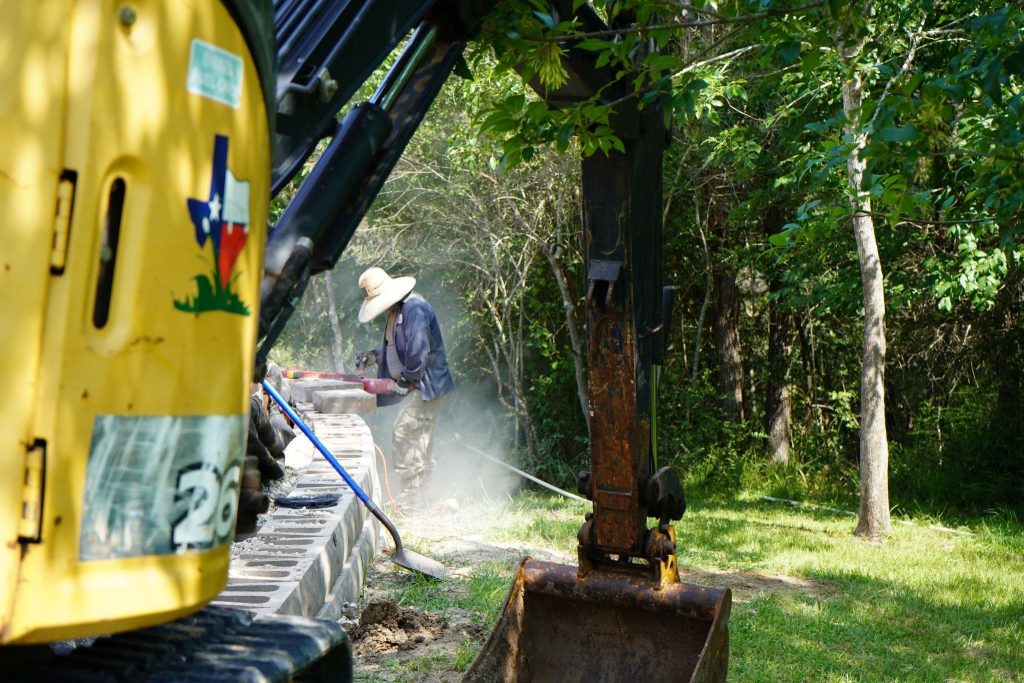
At Texas Landscape Creations, we understand how seasonal timing influences landscape performance. With more than 20 years of experience serving commercial properties and HOA communities throughout Central Texas, we help clients develop proactive maintenance strategies that support long-term landscape health.
Our team specializes in:
- Strategic fertilization programs
- Commercial turf management
- Seasonal landscape planning
- Irrigation and soil health evaluations
- HOA and commercial landscape maintenance
By aligning fertilization with broader landscape management practices, we help properties recover from summer stress and prepare for stronger performance in the seasons ahead.
Let’s Prepare Your Landscape for a Strong Fall
Late summer is the ideal time to strengthen your landscape before fall arrives. With the right fertilization strategy and proactive planning, your property can recover from summer stress and maintain a healthier, more consistent appearance.
📞 Call us today at (979) 776-8873 to schedule fertilization services.
🔗 Or contact us online to learn how Texas Landscape Creations can help prepare your landscape for the season ahead.