
For commercial properties and HOA communities in Central Texas, timing can have a major impact on the success of a landscape renovation. While spring often receives the most attention, fall offers some of the best conditions for installation, plant establishment, and long-term performance.
Cooler temperatures, warm soil, reduced water demand, and greater scheduling flexibility make fall an ideal season for landscape improvements. For property managers and HOA boards, planning renovations during this time can lead to stronger results, more efficient project execution, and a better return on landscape investments.
Cooler Temperatures Support Better Installation Conditions
After months of intense summer heat, fall brings more moderate temperatures that reduce stress on newly installed plant material.
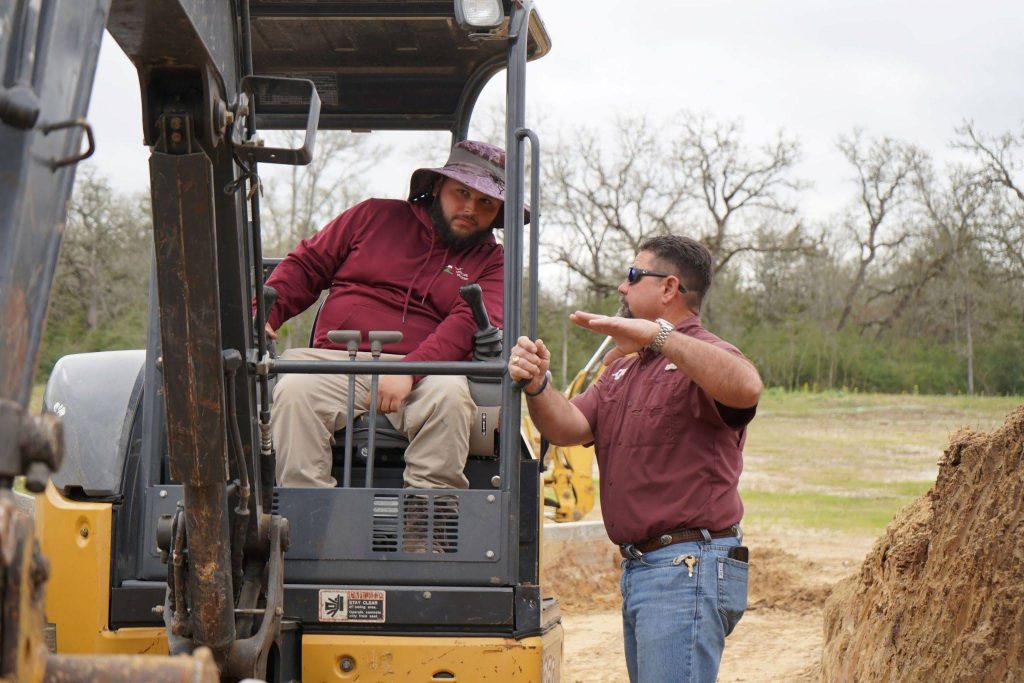
Trees, shrubs, turf, and other landscape elements can establish more effectively when they are not immediately exposed to extreme heat. Crews can also work more efficiently, which can improve installation quality and reduce unnecessary delays.
In Central Texas, soil temperatures often remain warm even as air temperatures begin to cool. This creates favorable conditions for root development and helps newly installed plants establish before winter.
For commercial properties and HOA communities, these conditions can contribute to healthier installations and more consistent long-term performance.
Fall Root Growth Supports Stronger Spring Performance
One of the greatest advantages of fall installation happens below the surface.
Even when visible plant growth slows, root systems can continue developing in warmer soil. This gives newly installed trees and shrubs time to establish before the more demanding conditions of spring and summer return.
When warmer weather arrives, plants that were installed in the fall are already better positioned to support new growth.
For property managers, this can mean fewer establishment issues and a stronger landscape heading into the next growing season. It also helps reduce the likelihood that recently installed material will face peak summer conditions before developing an adequate root system.
Lower Water Demand Can Improve Establishment
Water management is an important consideration for any Central Texas landscape project.
During summer, high temperatures and rapid evaporation can significantly increase the amount of irrigation needed to establish new plant material. That can place additional pressure on irrigation systems and make consistent watering more difficult.
Fall conditions typically reduce those demands.
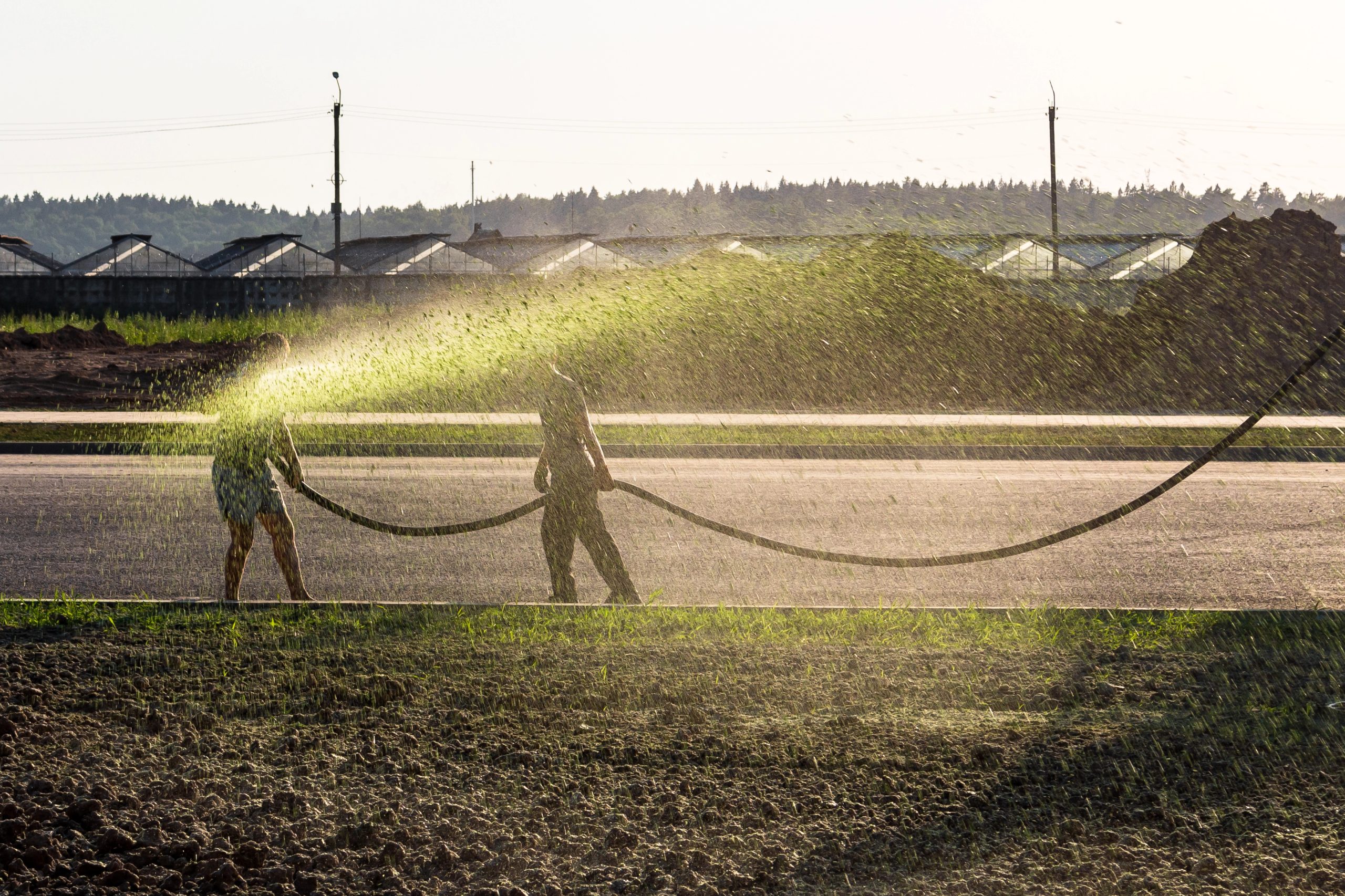
Cooler temperatures and shorter days slow moisture loss, allowing soil to retain water longer. Newly installed plants can often establish with less stress than they would during peak summer conditions.
This does not eliminate the need for proper irrigation, but it can make water management more efficient during the critical establishment period.
For large commercial properties and HOA communities, that efficiency can support both landscape health and more responsible water use.
Fall Is an Opportunity to Correct Summer Problem Areas
Summer often reveals the weakest areas of a landscape.
Extended heat can expose irrigation coverage problems, poorly performing plants, compacted turf, drainage issues, and areas that were not designed appropriately for their site conditions.
Rather than continuing to manage the same problems year after year, fall provides an opportunity to address them directly.
Landscape renovations may include replacing declining plant material, redesigning underperforming beds, improving irrigation coverage, correcting drainage concerns, or adjusting areas that require excessive maintenance.
By using summer performance as a guide, property teams can make more informed decisions about where improvements are needed.
This creates a more strategic approach to renovation and helps reduce recurring maintenance challenges.
Improve High-Visibility Areas Before Year-End
Fall is also a practical time to improve the areas that have the greatest impact on property appearance.
Entrances, monument signs, leasing offices, clubhouses, common areas, and major pedestrian routes often shape the first impression of a commercial property or HOA community.
If these areas contain declining plants, outdated beds, poor irrigation coverage, or inconsistent design, targeted enhancements can make an immediate difference.
Fall installations allow property teams to refresh these spaces before year-end while also positioning the landscape for stronger performance in spring.
The result is both an immediate improvement in appearance and a longer-term investment in property presentation.
Plan Projects With Greater Scheduling Flexibility
Landscape project scheduling can also be more manageable in the fall.
Spring is often one of the busiest seasons for landscape installations, which can create tighter timelines and less flexibility for larger projects.
Planning renovations for fall may allow property managers and HOA boards to coordinate work more effectively, especially when projects involve multiple phases such as demolition, irrigation adjustments, soil preparation, planting, and final detailing.
Better scheduling can also reduce disruption to tenants, residents, customers, and daily property operations.
For larger commercial enhancements, early planning is especially important. Establishing scope, priorities, and timelines before installation begins helps keep projects organized and supports a more predictable outcome.
Coordinate Irrigation With Landscape Renovations
A landscape renovation should not be planned separately from the irrigation system that will support it.
Before new plant material is installed, irrigation coverage should be evaluated to determine whether existing zones, spray patterns, or drip systems are appropriate for the updated design.
Installing new plants without addressing irrigation deficiencies can create avoidable problems from the beginning.
Fall renovations provide an opportunity to coordinate irrigation improvements with landscape enhancements. This may include adjusting heads, modifying zones, repairing damaged components, or improving coverage in redesigned beds.
Taking care of these issues during the renovation process helps protect the investment and supports more reliable plant establishment.
Focus on Long-Term Performance, Not Just Immediate Appearance
The strongest landscape renovations are designed to perform well beyond installation day.
Plant selection, spacing, mature size, irrigation needs, drainage, sun exposure, and maintenance requirements should all be considered before work begins.
A landscape may look impressive immediately after installation, but poor planning can lead to overcrowding, repeated plant replacement, inefficient irrigation, or increased maintenance over time.
Fall installation planning gives property teams an opportunity to make improvements based on long-term site performance rather than short-term appearance alone.
For Central Texas properties, this is especially important because landscape materials must be able to handle periods of extreme heat, drought, and seasonal weather changes.
Use Fall Renovations to Support Future Budget Planning
Landscape renovations can also play an important role in long-term property planning.
Fall is a useful time for property managers and HOA boards to evaluate which improvements should be completed immediately and which should be incorporated into future budgets.
Some projects may involve small, high-impact enhancements. Others may require phased renovations over multiple seasons.
By identifying priorities in advance, property teams can make more informed decisions about timing, scope, and available resources.
This approach reduces reactive spending and helps ensure that landscape investments are aligned with broader property goals.
Plan Renovations Around Long-Term Performance
Successful landscape renovations require more than choosing new plant material. Timing, irrigation, site conditions, maintenance requirements, and future growth all need to work together.
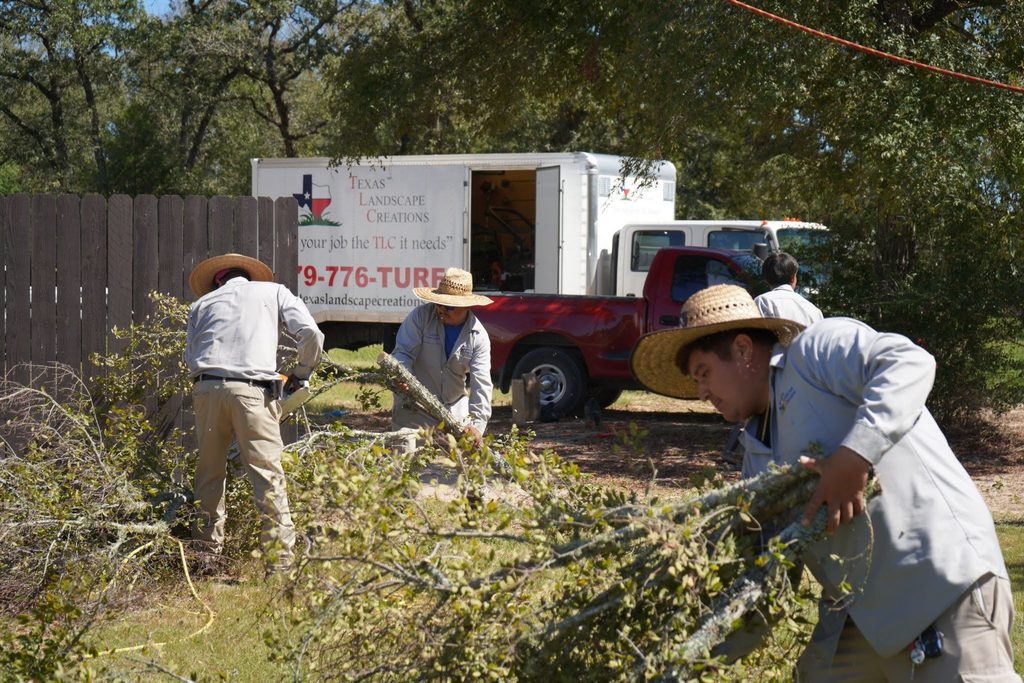
Texas Landscape Creations brings more than 20 years of experience to commercial and HOA landscape projects throughout Central Texas. Our team evaluates how each area of a property is performing, identifies opportunities for improvement, and plans renovations with long-term maintenance and landscape health in mind.
That may include replacing underperforming plants, improving irrigation coverage, refreshing high-visibility areas, or coordinating larger phased improvements. The goal is to create a landscape that not only looks better after installation, but also performs more reliably over time.
For property managers, facility managers, developers, and HOA boards, that approach provides a clearer path from identifying a problem to implementing a practical, lasting solution.
Plan Your Fall Landscape Renovation
Fall provides one of the best opportunities to make meaningful landscape improvements while conditions support successful establishment.
Whether your property needs updated planting beds, irrigation improvements, entrance enhancements, plant replacement, or a broader landscape renovation, planning now can help create stronger results for the year ahead.
Texas Landscape Creations can help evaluate your property, identify renovation priorities, and develop a plan designed for Central Texas conditions.
Call us today at (979) 776-8873 to discuss your fall landscape renovation.
Or contact us online to get started.